6 September 2023
The opening day of the workshop, including registration and the welcome address.
- Registration
- Welcome address by Prof. Simon Green, Pro-Vice Chancellor for Research at Aston University
- Opening technical sessions and breaks
Aston University · 6–8 September 2023
Three days of technical sessions, keynote addresses, breaks and a gala dinner. The full day-by-day schedule of the 22nd UK Workshop on Computational Intelligence is set out below.
The workshop ran across three days at Aston University. Each day combines keynote addresses with parallel technical sessions and scheduled breaks, and the programme included a gala dinner.
The opening day of the workshop, including registration and the welcome address.
The second day carried four technical sessions alongside a keynote presentation.
The closing day of the workshop, again with four technical sessions and a keynote.
A summary of the structure of each day of the 22nd UK Workshop on Computational Intelligence.
| Day | Date | Main elements | Detail |
|---|---|---|---|
| Day 1 | 6 September 2023 | Registration, welcome address, technical sessions and breaks | Schedule Day 1 |
| Day 2 | 7 September 2023 | Sessions 1–4 and Keynote #2 | Schedule Day 2 |
| Day 3 | 8 September 2023 | Sessions 1–4 and Keynote #3 | Schedule Day 3 |
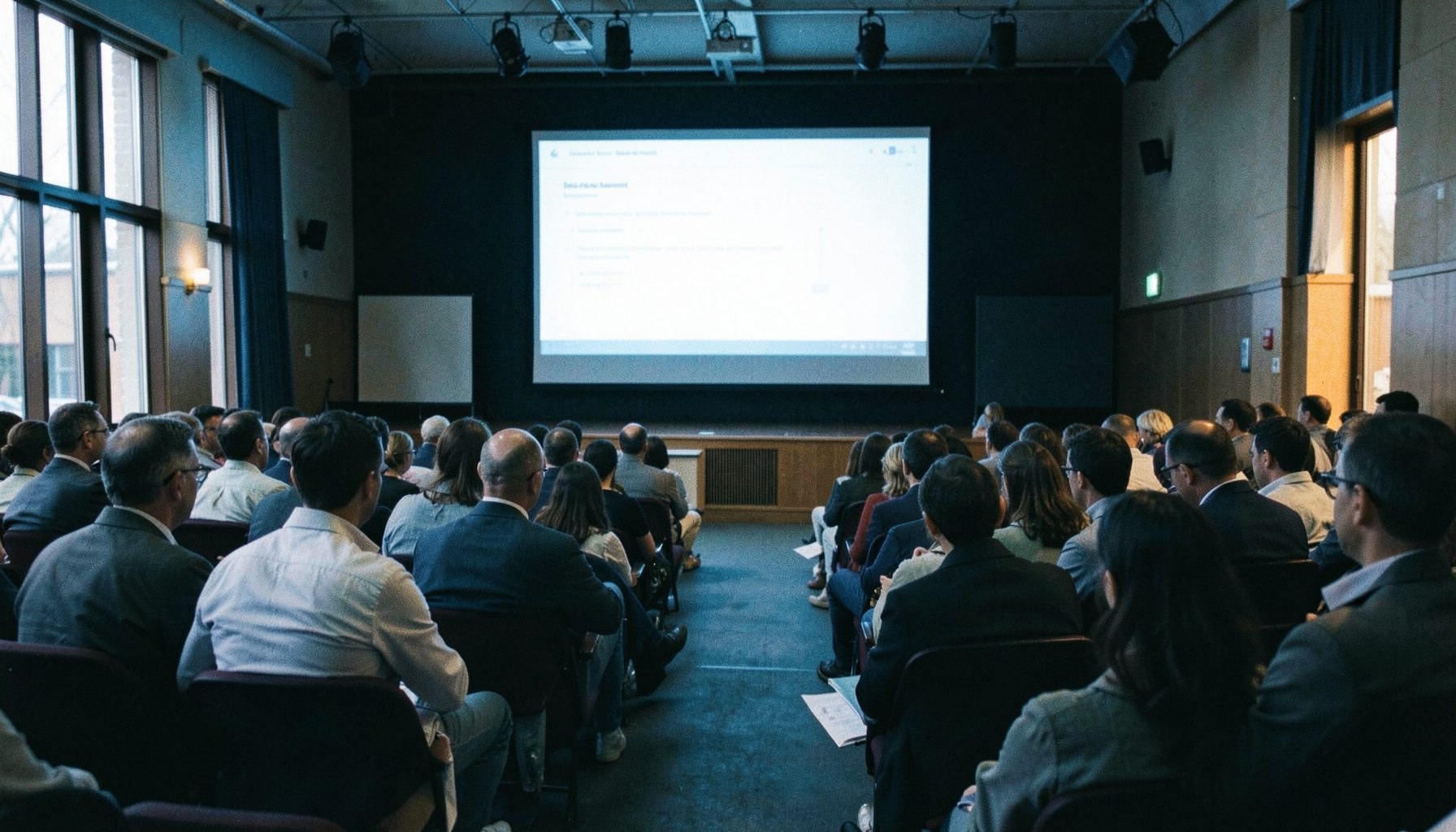
Registration covered all technical sessions, the gala dinner and the proceedings. Papers were managed through EasyChair, with regular papers limited to 12 pages and short papers to 6 pages; proceedings were published in the Springer Advances in Computational Intelligence Systems series.
General Chair: Nitin Naik. The workshop was hosted by Aston University, and Professor Simon Green, Pro-Vice Chancellor for Research, delivered the welcome address on Day 1.
The 22nd UK Workshop on Computational Intelligence took place at Aston University over three days in September 2023, bringing together researchers, practitioners and students working across the broad fields of computational intelligence. The programme combined keynote addresses, parallel technical sessions and scheduled breaks, giving delegates a structured way to engage with current and future directions in the subject area.
Ahead of the event, the organising committee invited contributions from across academia, industry and government, and welcomed submissions on a wide range of topics within computational intelligence and related domains. Papers that were accepted for presentation were published in the workshop proceedings, providing a lasting record of the technical discussions that took place across the three conference days.
The day-by-day schedule set out keynote appearances spanning all three days, alongside multiple parallel streams of technical talks and a programme of breaks between sessions. Delegates could follow papers from a single track or move between sessions covering different applications and methodological areas, reflecting the interdisciplinary nature of the workshop and the mix of expertise represented among its authors and speakers.
The workshop concluded with a gala dinner, and the overall programme closed with acknowledgements to the host institution, the chair, colleagues and everyone who contributed to the event on behalf of the community. The event stands as a platform for sharing advances in computational intelligence, supporting inclusion and exchange, and offering opportunities for emerging researchers to present their work to an informed international audience.